
A shot blast machine as “early adopter”: sheet metal fabricator Hennecke goes digital with Monitizer
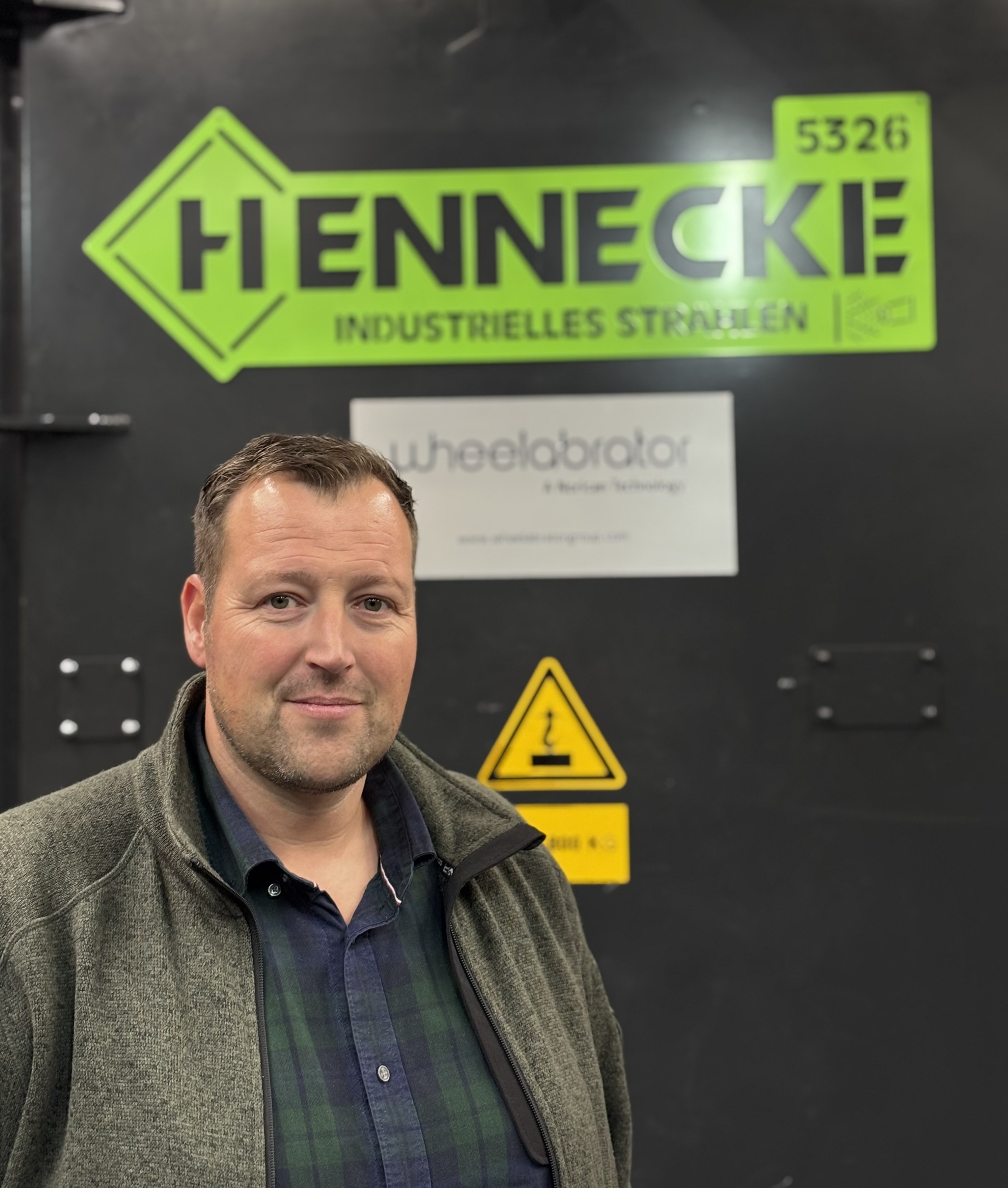
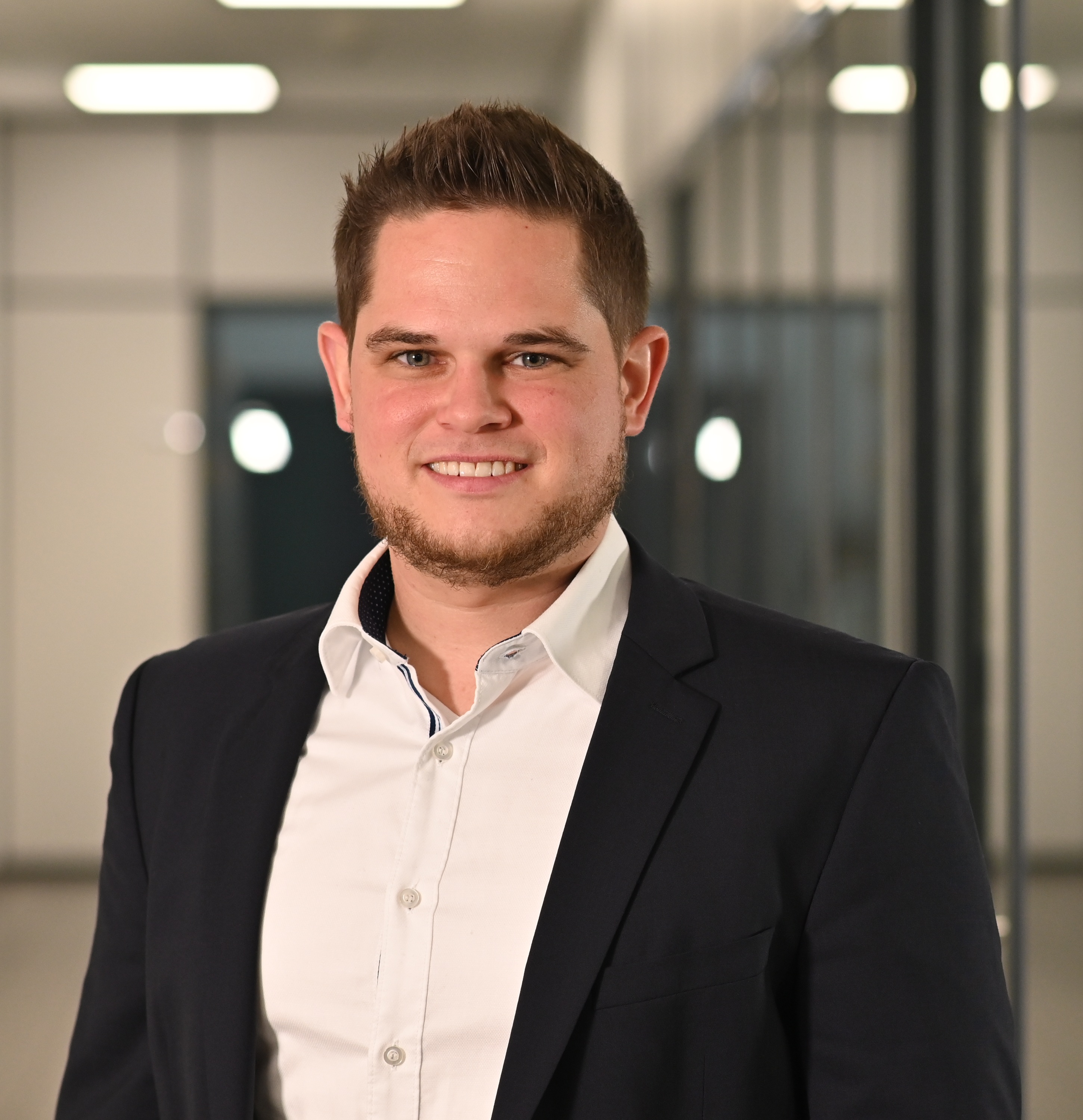
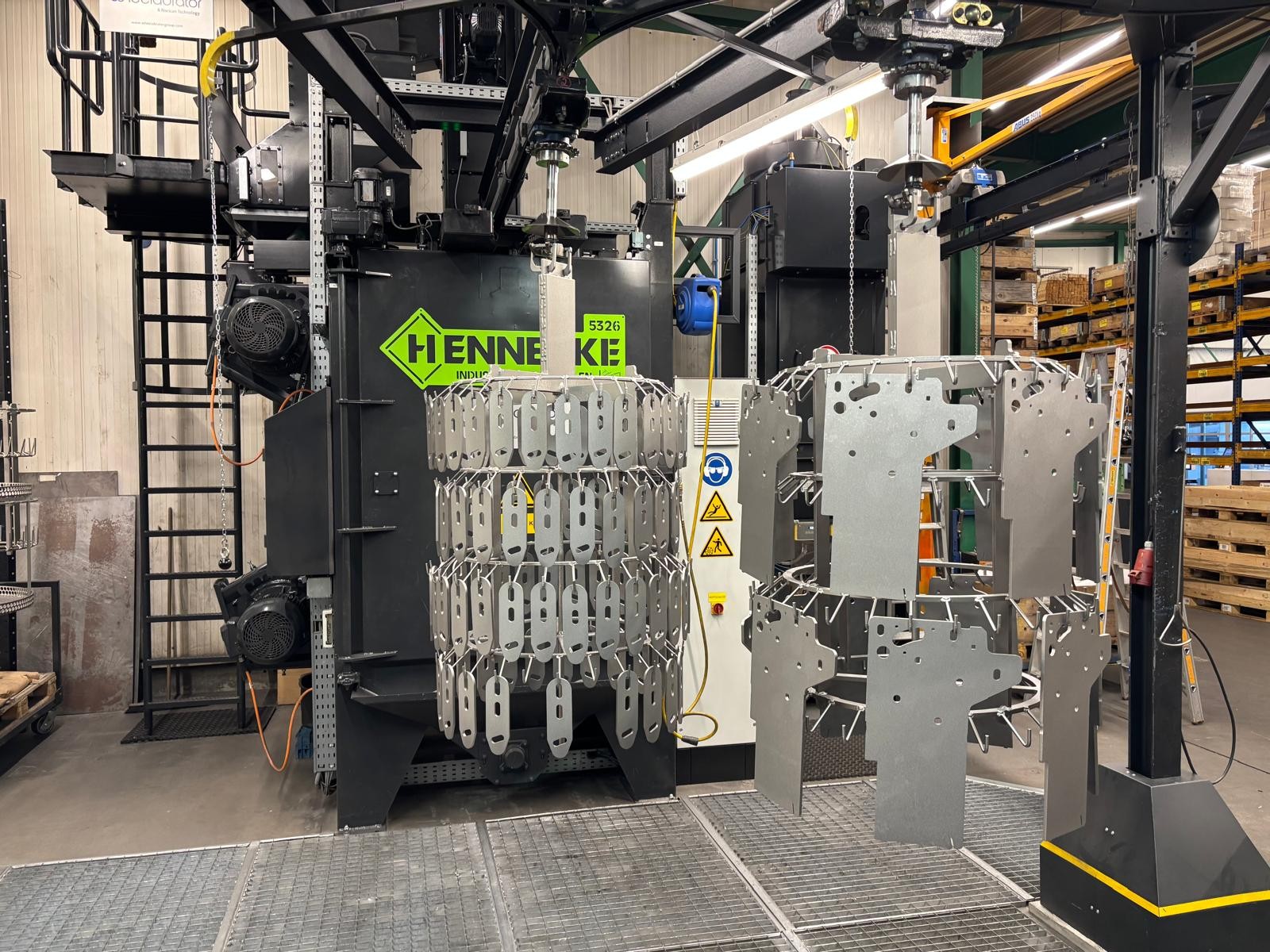
Hennecke, a specialist in industrial sheet metal working based in Neustadt (Wied), Germany, has digitized its shot blasting operations using Wheelabrator's IoT platform, Monitizer – creating transparency and quickly revealing new optimization potential.We spoke with the project team about the opportunities of digitization in contract manufacturing, the challenges of job shop production, and finding the right balance between human and machine. Markus Rüth is Head of Production at Hennecke and has been with the company for 30 years. Lucas Kurtenbach is Head of Materials Management and oversaw the purchase of a new shot blasting machine and the associated digitization of the blast operations.
Markus, in brief, describe for us your production and the role of the shot blast machine within it.
Markus Rüth: As a contract sheet metal fabricator, we produce a wide range of products. Welding is our core competency – for this, surfaces must be clean and oxide-free. We also have our own powder coating facility, for which surfaces must be prepared. That’s why shot blasting has been an important production process for us for over 25 years. Today, we also have products that leave production with a specially shot-blasted surface – with a specific surface roughness, for example. The shot blast machine really is used in lots of different ways.
The new shot blasting machine has triggered a new phase of digitalization for you. How far had you got with digitalization before this?
Lucas Kurtenbach: Digital is not a foreign language to us. For example, our plate processing machines are digitalized, enabling us to perform a range of analyses. We've been using digital methods to track energy consumption for years. We have electricity meters at strategic locations and analyze that data. However, data collection and analysis is still mostly a manual activity. We don't yet have a comprehensive, standardized digitalization and analysis system. But that’s a hot topic for us right now that we’re looking at for the very near future.
Your production is complex and highly variable. Is it more difficult to digitize contract manufacturing?
Lucas Kurtenbach: We have a classic workshop production setup with different areas and departments for the various work steps. As a contract manufacturer specializing in versatile sheet metal fabrication, our processes have to be very flexible and adaptable to constantly changing requirements. We don't have a production line of connected machines, like, for example, an automotive supplier, where production is built around very high volumes of identical parts.
Our work steps are less interconnected and much more variable. While this can be more difficult to map digitally, it also makes it much easier to digitize step by step and optimize sub-processes. That’s how we implemented digital process monitoring and optimization on the shot blast machine.
Had you planned from the outset to digitize the blast process?
Markus Rüth: No. That came up during the project and proposal phase for the new machine. The Wheelabrator team presented us with the digitization options. That got us thinking. Should we do it, should we leave it, or should we implement it in parts? The modular design of the Monitizer system appealed to us. You don't have to implement everything at once.
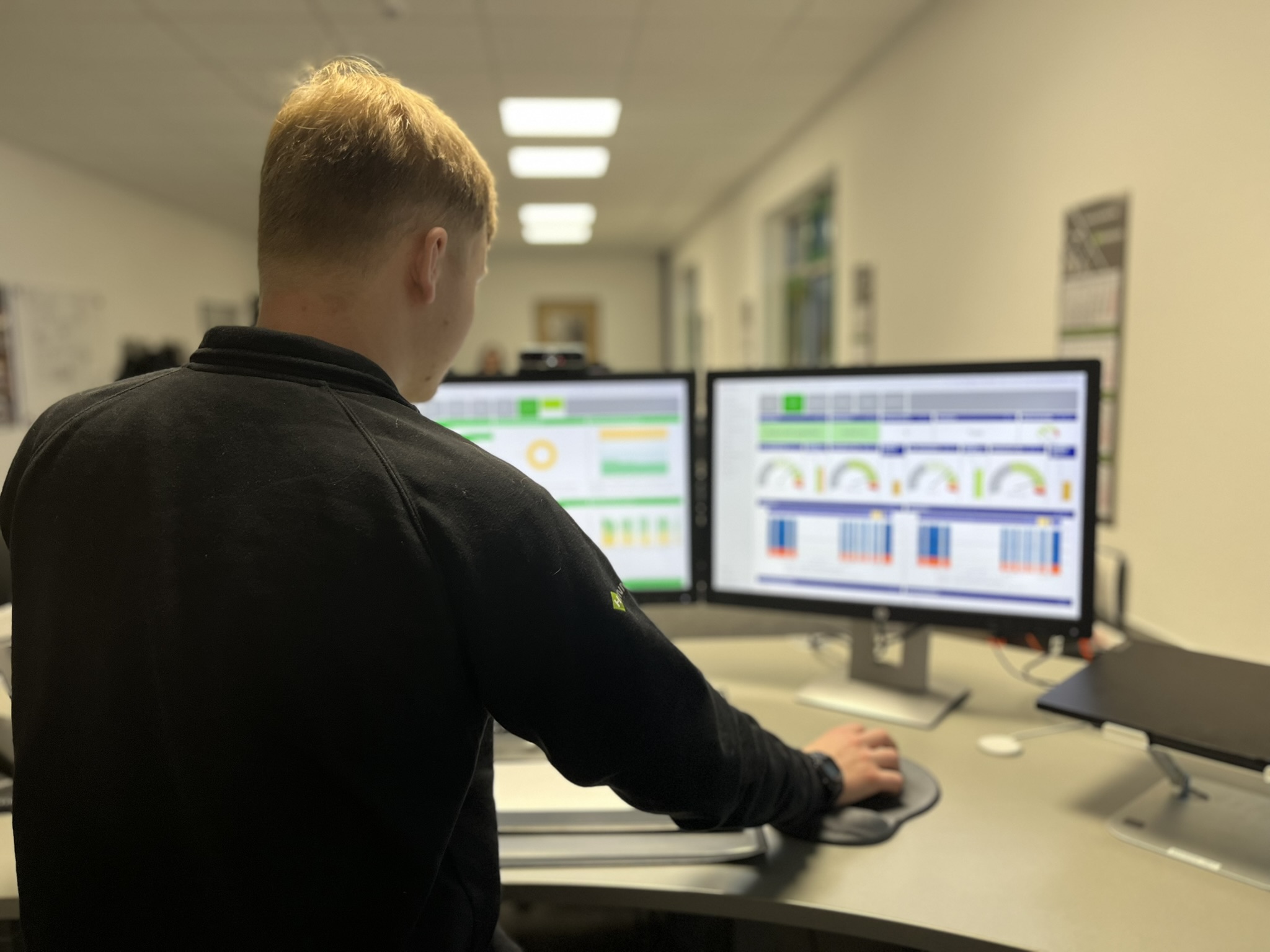
What was particularly interesting was just how much you can optimize directly at the sub-process level with Monitizer. You can get started straight away. Typical monitoring and optimization tasks already exist as dashboards. So we added Monitizer | DISCOVER to the machine order. The new machine was commissioned in November 2024. And Monitizer has been running since the beginning of January 2025.
What difference has Monitizer made?
Markus Rüth: With Monitizer, we can – for the first time ever - extract data from the shot blast machine on resource consumption and downtime.
For example, we have a lot of components that need to be masked before blasting because they have threads or dowel pins. That's all time the operator has to spend before the actual blast process. With Monitizer, we can clearly identify which products take up the most time on the system. We can break this down to individual products and use that information to optimize the process.
Lucas Kurtenbach: It allows us, for example, to plan shifts on the machine in a way so that masking is done in only one shift, with a production assistant assigned to it, so the machine isn't kept waiting and idling. The other shifts can power on without any masking work. That wouldn't be possible without Monitizer.
You added the maintenance module early on. How does that help you?
Markus Rüth: The maintenance module in Monitizer primarily helps us optimize maintenance intervals and minimize downtime. We can precisely track how long, for example, a set of wheel blades has been in use. This allows us to gradually gain a better understanding of the achievable blasting hours of key spare parts and adjust maintenance intervals accordingly. This saves time and money.
Our employees use it extensively and find it to be a real help. That's why we've now also implemented email notifications for machine faults. It allows the teams to react much faster.
Lucas Kurtenbach: Overall, Monitizer is naturally more helpful to employees who aren't directly at the machine. The operator standing next to it doesn’t need Monitizer to see what's happening. But for maintenance planning, repairs, production planning, and for commercial decisions, Monitizer has opened up entirely new possibilities for us on our shot blasting machine.
Can you give us an example of the commercial impact Monitizer has had?
Lucas Kurtenbach: The better we understand resource consumption, the better and more accurate our cost calculations will be. That's why we're currently working with the Monitizer team on implementing component identification via QR codes. This allows us to break down machine costs much more precisely to the specific component. A more accurate cost calculation is also fairer for our customers.
And of course, the data we’re getting can also reveal further optimization potential. Perhaps a part can be blasted faster or loaded into the machine more efficiently.
Markus Rüth: Another advantage of associating process data with individual workpiece is that we can quickly provide the customer with a quality report showing that all process parameters were maintained correctly. That’s useful to have, should we ever get questions about the shot blasting treatment on an individual component.
You're considering extending Monitizer to your paint robots. What do you hope to gain from this?
Markus Rüth: We've been coating components in-house for over 25 years. In addition to our automated paint booth, we also coat many components manually. At the beginning of 2025, we decided to automate the majority of our manual coating operations using paint robots.
Just as with the shot blast machine, we expect digitalization to provide transparency about key performance indicators – such as how many square meters we've coated, how much powder coating has been used, how many workpieces have been coated, etc. This, in turn, forms the basis for better cost calculations, improved processes, and optimization.
Lucas Kurtenbach: We also want to gain a better information base to help us decide which components are more efficient to coat manually and which are better coated by robot.
Another reason we're considering Monitizer for our paint robots is that it generally makes sense to use a system we already know. Flexibility and modularity are real strengths of Monitizer. And we consistently receive excellent support and advice from the Monitizer team – from the initial implementation and regular employee training to the day-to-day collaboration that turns ideas into reality.
Markus, Lucas, thank you for your time.